What Your Horse’s Behavior is Really Telling You
As a professional horse Instructor in San Diego, I help owners understand and resolve behavior problems by building trust, clarity, and authentic communication — not force.

As a professional horse Instructor in San Diego, I help owners understand and resolve behavior problems by building trust, clarity, and authentic communication — not force.
If your horse won’t stand still, refuses to load, pulls on the lead rope, spooks constantly, or just “won’t listen,” you’re not alone. It starts with good ground skills and clear communication which is the foundation in horse training. Many horse owners reach a point where they feel confused, frustrated, or even discouraged.
You might start wondering:
Here’s the truth most people never get taught:
When we understand how a horse thinks, acts, learns, and feels, their behavior starts to make sense — and that’s when real progress begins.
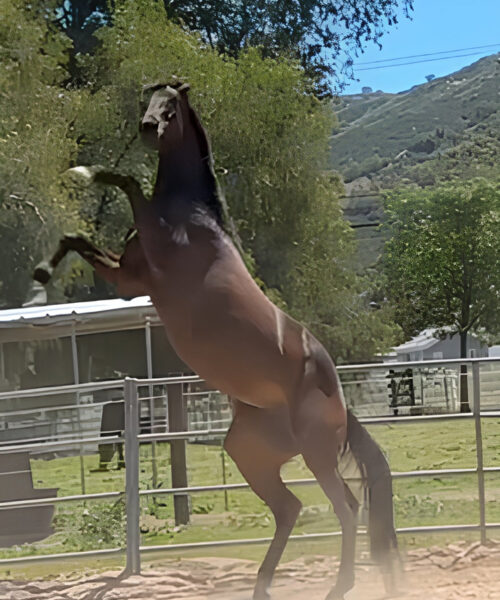
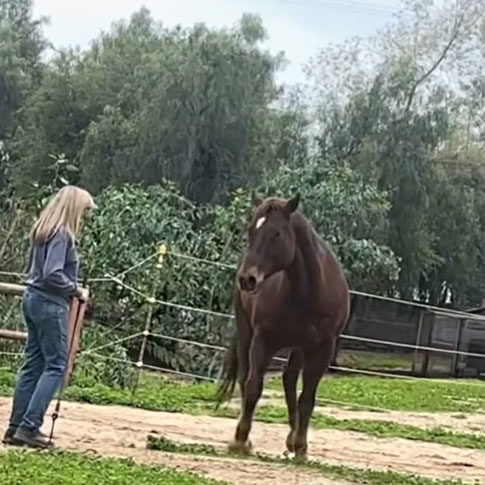
One of the biggest gaps in horsemanship today is that people are taught what to do, but not how the horse experiences it.
So when a horse pulls away, refuses to move, or acts nervous, they aren’t trying to “win” or challenge you. They are reacting to how safe, clear, and confident the situation feels to them.
Behavior is a window into their mind.
Let’s look at common issues through your horse’s eyes:
To the horse, movement equals safety. If they don’t feel mentally settled or don’t understand what’s being asked, standing still feels vulnerable.
Trailers are small, dark, and unfamiliar. Without trust and leadership, a horse sees a trap — not a safe place.
This usually isn’t disrespect. It’s often a lack of clear boundaries, timing, or consistent communication from the handler.
A spooky horse is a worried horse. Worry comes from a lack of confidence — either in the environment, themselves, or their human.
In every case, the behavior is information. It tells us what the horse understands, what they don’t, and how they feel in that moment.
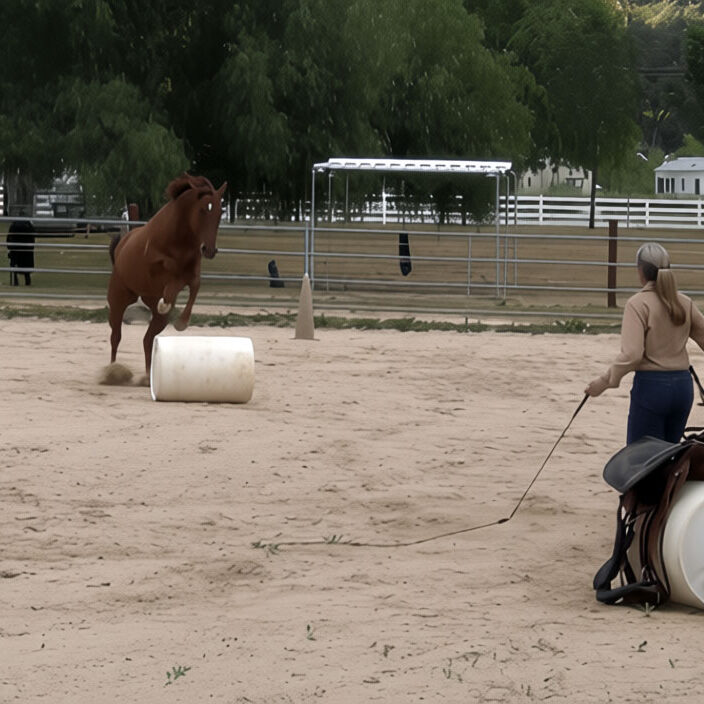
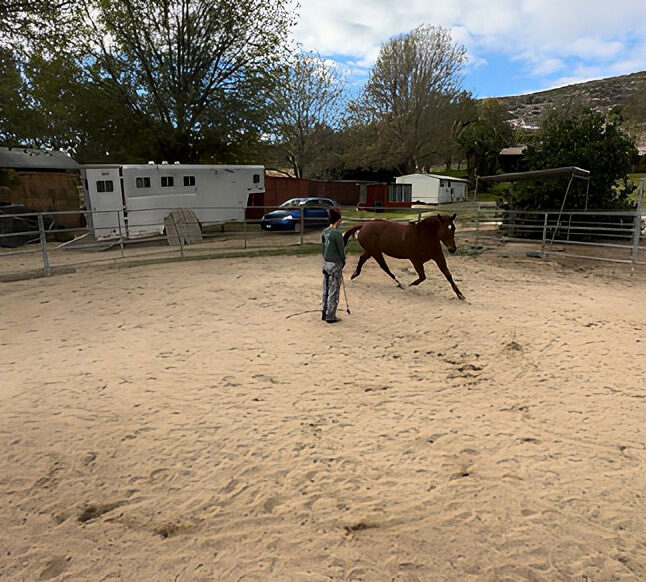
Most horses are doing the best they can with what they know.
Most humans are too.
But many owners were never truly taught:
Without this knowledge, people often try harder instead of getting clearer. They add more pressure when the horse actually needs more understanding.
That’s when frustration builds on both ends of the lead rope.
A horse cooperates when they feel:
Force might get temporary results, but it doesn’t build a willing partner. It builds tension, resistance, or shutdown behavior.
True horsemanship is about creating a horse that wants to be with you, wants to try, and feels secure enough to learn.
That starts on the ground, with small moments:
These details are what horses pay attention to — even when we don’t realize we’re communicating.
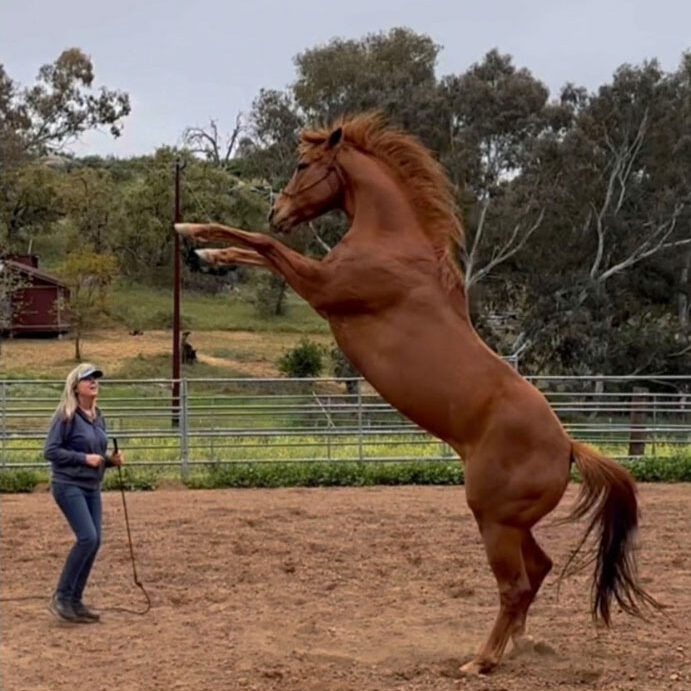
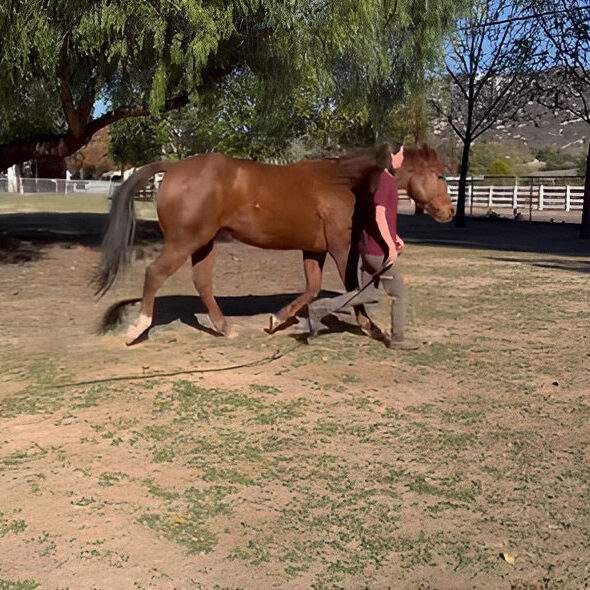
Your Horse Isn’t Trying to Make It Hard
One of the most powerful mindset shifts an owner can make is this:
Your horse is not your opponent.
Your horse is your partner who doesn’t fully understand yet.
When we stop labeling a horse as stubborn, lazy, or naughty, we open the door to curiosity instead of frustration.
We begin asking:
That’s when the relationship changes.
Learning to see through your horse’s eyes is not something most people are taught — and it’s not something you have to figure out alone.
With the right guidance, owners begin to:
The transformation often surprises people.
Horses that seemed difficult become willing.
Situations that felt stressful become manageable.
The partnership becomes enjoyable again.
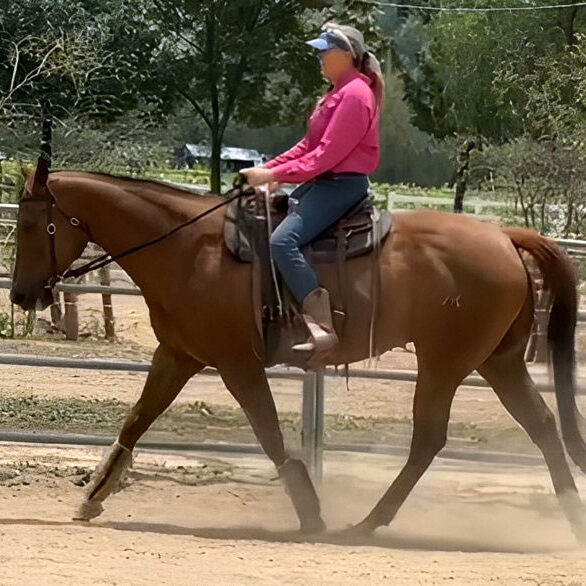
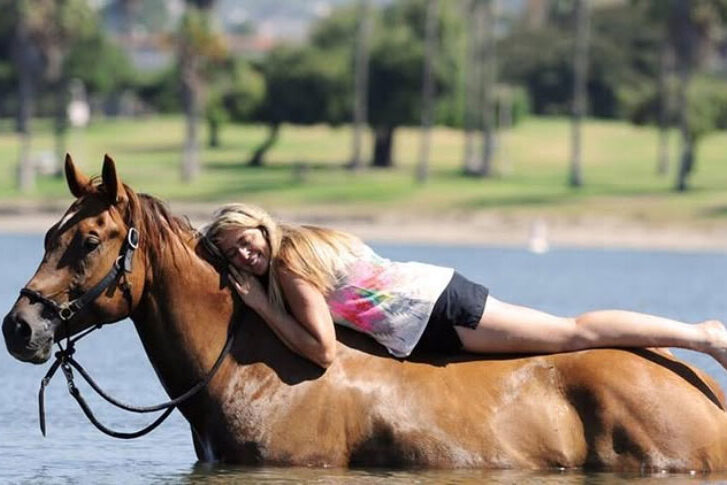
As a horse trainer in San Diego, my focus is not just correcting behavior — it’s helping you understand your horse and how to be the leader your horse has been looking for.
Training may include:
Because when you understand your horse, everything changes.
Every horse owner has moments of doubt. That doesn’t mean you’ve failed. It means you care enough to want better.
When you improve your understanding of horse behavior, you don’t just fix problems — you change the entire relationship.
You become someone your horse can rely on.
And when that happens, cooperation stops being a battle… and starts becoming a conversation.
Every horse owner has moments of doubt. That doesn’t mean you’ve failed. It means you care enough to want better.
When you improve your understanding of horse behavior, you don’t just fix problems — you change the entire relationship.
You become someone your horse can rely on.
And when that happens, cooperation stops being a battle… and starts becoming a conversation.
In most cases, what we perceive as stubbornness is actually confusion or a lack of safety. As prey animals, horses “shut down” or resist, or panic when they don’t understand the pressure being applied. By shifting from force to clear communication, that “stubborn” behavior usually disappears.
A spooky horse is a worried horse looking for a leader. Training focuses on building the horse’s confidence in their environment and their trust in your guidance. We “fix” the spook, by working on the horse’s mental state, clearing up communication issues and developing your body language.
Yes! Groundwork is the foundation of all communication. Whether you are dealing with a young horse or a seasoned horse with “holes” in their training, establishing clear communication and trust on the ground is where the most significant transformations happen.
Pressure is a “request” for movement or thought, and the release is the “reward” that tells the horse they did the right thing. Timing the release correctly is the key to clear communication and a willing partnership.